
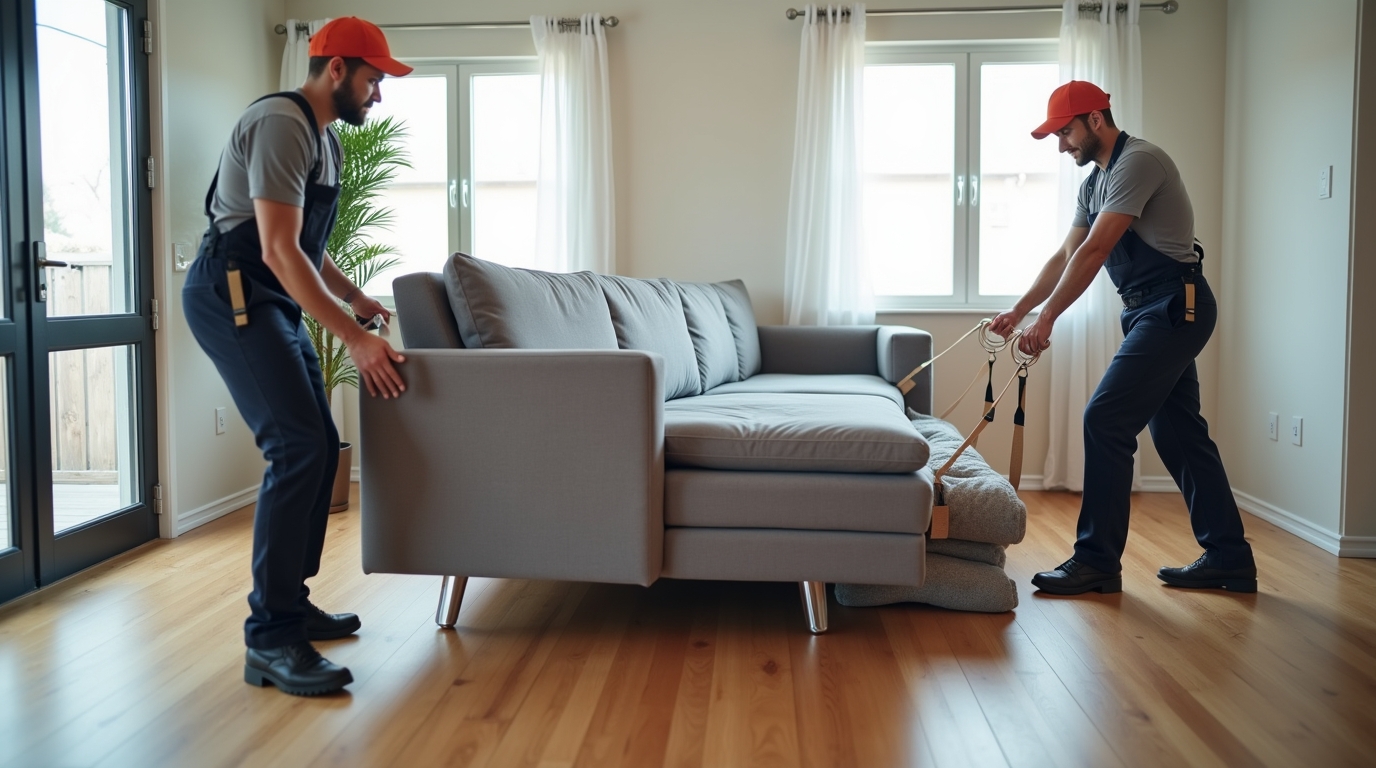
Moving heavy furniture is one of the hardest parts of any move. Sofas, wardrobes, beds, refrigerators, and solid wood cabinets are not just heavy—they’re bulky, awkward, and easy to damage if you’re not careful.
The good news? You don’t have to risk your back or destroy your floors to get it done.
With the right strategy, tools, and techniques, you can move heavy furniture safely without injuries, broken items, or scratched walls.
In this guide, we’ll walk through how to move heavy furniture step by step, from planning and preparation to lifting techniques and when to call in the pros. You can also compare the effort and risk of DIY heavy lifting with a professional moving quote from My Fast Movers to decide whether doing it yourself is really worth it.
Understand Your Furniture and Moving Challenges First
Before you grab a couch and start dragging it across the floor, pause for a minute. The safest way to move heavy furniture starts with understanding what you’re moving and where it has to go.
Ask yourself:
- How heavy and bulky is this item?
- Can it be disassembled into smaller parts?
- What obstacles are in the path? (stairs, tight turns, narrow doors)
- How many people are available to help?
Identify High-Risk Items
Some pieces are especially risky to move on your own:
- Large wardrobes and solid wood cabinets
- Sectional sofas and sofa beds
- King-sized beds and heavy mattresses
- Refrigerators, washing machines, and dryers
- Pianos, safes, pool tables (these usually need professionals)
For these items, it may be smarter to get help from an experienced moving crew like My Fast Movers—even if you handle the lighter stuff yourself.
Measure Before You Move
Nothing is worse than getting a heavy sofa halfway through a doorway…only to get stuck.
- Measure the furniture: height, width, and depth.
- Measure doorways, staircases, and hallways.
- Check for low ceilings, tight corners, or narrow turns.
If the piece doesn’t fit easily, you’ll know ahead of time whether you need to tilt it, remove doors, or disassemble it first.
Plan Your Path and Prepare the Space
Once you understand what you’re moving, the next step is creating a clear, safe path. Planning saves time, energy, and prevents accidents.
Clear the Route
Walk the entire path from the item’s current location to the door or truck and remove anything that could get in the way:
- Loose rugs or floor mats
- Shoes, bags, and small furniture
- Low decor items like plants, stools, or baskets
- Cables and extension cords
A clean path means fewer tripping hazards when you’re carrying something heavy and can’t see your feet clearly.
Protect Your Floors and Walls
Heavy furniture can easily damage flooring if you drag or drop it. Protect your home before you start moving:
- Use furniture sliders or thick cardboard under furniture legs.
- Lay old blankets or towels in high-risk areas.
- Use corner protectors or folded towels on door frames and wall edges.
This is especially important for hardwood, tile, and freshly painted walls.
Decide on Exit and Entry Points
The “obvious” route isn’t always the best one. Sometimes:
- A back door is wider than the front door.
- A ground-level patio door is easier than tight indoor stairs.
- Balcony or side entrances give you more space to maneuver.
Think like a professional mover: choose the path with the fewest obstacles and tight turns, even if it’s slightly longer.
Use the Right Tools to Move Heavy Furniture Safely

Professionals don’t rely on strength alone—they use equipment that makes the job easier and safer. For DIY moves, you can rent or buy basic moving tools that will protect both your body and your furniture.
Furniture Sliders
Furniture sliders are small pads that go under furniture legs so you can slide heavy items instead of lifting them.
- Use felt sliders for hardwood, laminate, and tile floors.
- Use plastic sliders on carpets and rugs.
Once the sliders are in place, you can often move large pieces by pushing gently instead of lifting.
Moving Blankets and Straps
Moving blankets protect furniture surfaces and walls from scratches and dents. Wrap large pieces—like dressers, tables, and bed frames—and secure the blankets with tape or plastic wrap.
Lifting straps (also called shoulder dollies or moving harnesses) help two people share the load more evenly. They shift weight from your back to your legs and shoulders, making it easier to carry heavy items.
Dollies and Hand Trucks
For heavier items and appliances, a furniture dolly or hand truck is a game-changer.
- Furniture dolly: A flat platform with four wheels, perfect for big, boxy items like dressers and bookcases.
- Hand truck: A two-wheeled upright cart ideal for stacked boxes, fridges, and washers.
If you’re renting a moving truck, you can often add these tools to your reservation—or you can let a professional team like My Fast Movers bring their own equipment and handle the heavy lifting for you.
Safety Gear
Don’t forget to protect yourself too:
- Wear work gloves for better grip and to avoid cuts.
- Use closed-toe shoes with good traction.
- Wear comfortable clothes that allow free movement.
Prepare and Disassemble Heavy Furniture Before Moving
The more compact and lightweight each item is, the easier—and safer—it becomes to move. Taking a few extra minutes to prepare furniture can save you from major headaches later.
Empty Drawers, Shelves, and Cabinets
Never move a loaded piece of furniture if you can avoid it. Remove:
- Clothes from dressers
- Books from shelves
- Dishes from cabinets
- Decor and electronics
Pack these items separately in boxes. This not only lightens the load but also prevents things from shifting and breaking during the move.
Remove Detachable Parts
Whenever possible, disassemble large furniture into smaller parts:
- Remove table legs from dining tables.
- Take apart bed frames, headboards, and footboards.
- Detach mirrors from dressers.
- Remove sofa legs if they screw off.
Keep screws, bolts, and small parts in labeled plastic bags and tape them to the main piece or store them in a dedicated “hardware box” so reassembly is easy.
Wrap and Protect Fragile Areas
Wrap delicate or valuable surfaces:
- Use bubble wrap and cardboard for glass panels and mirrors.
- Wrap wooden corners and edges with thick padding.
- Use plastic stretch wrap to keep drawers and doors from swinging open.
The more protected your furniture is, the less you’ll worry about bumps while carrying or loading.
Use Safe Lifting Techniques (Protect Your Back!)

Even with good tools and planning, you’ll still need to lift at some point. Using proper lifting techniques is critical to avoid back strain and injuries.
Lift With Your Legs, Not Your Back
This rule is repeated for a reason. To lift safely:
- Stand close to the item with your feet shoulder-width apart.
- Bend at your knees and hips, not your waist.
- Keep your back straight and tighten your core.
- Lift slowly by pushing through your legs.
Keep the Load Close to Your Body
Hold heavy items close to your center of gravity. The farther an object is from your body, the more stress it puts on your spine and shoulders.
Avoid Twisting While Carrying
If you need to turn, move your feet rather than twisting your upper body. Twisting with a heavy load is one of the fastest ways to hurt your back.
Communicate With Your Helpers
When two or more people are lifting together, communication is key:
- Count “1, 2, 3, lift” before lifting or setting something down.
- Warn others about steps, door frames, and tight spots.
- Move slowly and avoid sudden changes in direction.
If the item feels unsafe or too heavy, put it down carefully and rethink your approach—or consider hiring a moving crew like My Fast Movers to handle that piece.
Tricks and Strategies to Move Heavy Furniture More Easily
Beyond basic lifting, professional movers use smart techniques to move big pieces through tight spaces and on stairs. You can borrow some of those tricks for your own move.
Slide Instead of Lift Whenever Possible
If you can avoid lifting, do it. Use sliders, folded blankets, or cardboard under the legs of heavy furniture to glide it across the room. Sliding is much easier on your body than carrying.
Use the “L” or Tilt-and-Turn Method for Sofas
When a sofa won’t go straight through a doorway, tilt it and rotate it like an “L” shape. This helps you fit the backrest and armrests through tighter spaces without forcing it.
Move Tall Items in a “High-Low” Position
For tall furniture like bookcases or wardrobes, two people can carry it by tilting it slightly:
- The person in front holds the higher end.
- The person in back holds the lower end.
This makes it easier to navigate stairs and gives you more control.
Use Ramps for Small Stairs or Height Differences
If you’re using a dolly or hand truck, a simple ramp can save you from lifting over steps. Make sure the ramp is stable and strong enough for the combined weight of the furniture and the person handling it.
Know When to Stop and Reassess
If something feels too heavy, unbalanced, or risky, don’t force it. Put it down safely, take a break, and consider another method—or let a professional crew from My Fast Movers handle that particular item.
DIY vs. Professional Help: When to Call the Experts
It’s completely possible to move some heavy furniture yourself with friends and the right tools. But in some situations, hiring professionals is the safer and smarter choice.
When You Should Consider Professional Movers
- You’re moving extremely heavy items like a piano, safe, or pool table.
- Your home has tight staircases, sharp turns, or multiple flights of stairs.
- You have back problems, injuries, or limited lifting ability.
- The furniture is very expensive, fragile, or irreplaceable.
In these cases, a trained moving crew from My Fast Movers can bring the right equipment, manpower, and experience to move your heavy furniture safely.
Hybrid Option: Let Pros Handle the Heavy Stuff Only
You don’t have to choose between full DIY and full-service moving. A popular approach is:
- You pack boxes and handle light items yourself.
- Professionals handle only the heavy furniture and appliances.
This hybrid method can:
- Save money compared to full-service moving.
- Protect you from major injury risks.
- Reduce the chance of damage to your furniture and home.
Final Safety and Success Tips
When you’re planning how to move heavy furniture, remember:
- Never rush—slow and steady is safer.
- Use tools like dollies, sliders, and straps whenever possible.
- Protect your floors, walls, and furniture with padding.
- Ask for help; don’t try to be a hero.
- Get a professional quote from My Fast Movers to compare against a DIY plan.
With a solid plan, the right equipment, and a realistic view of what you can safely handle, you can move heavy furniture without turning moving day into a disaster.