
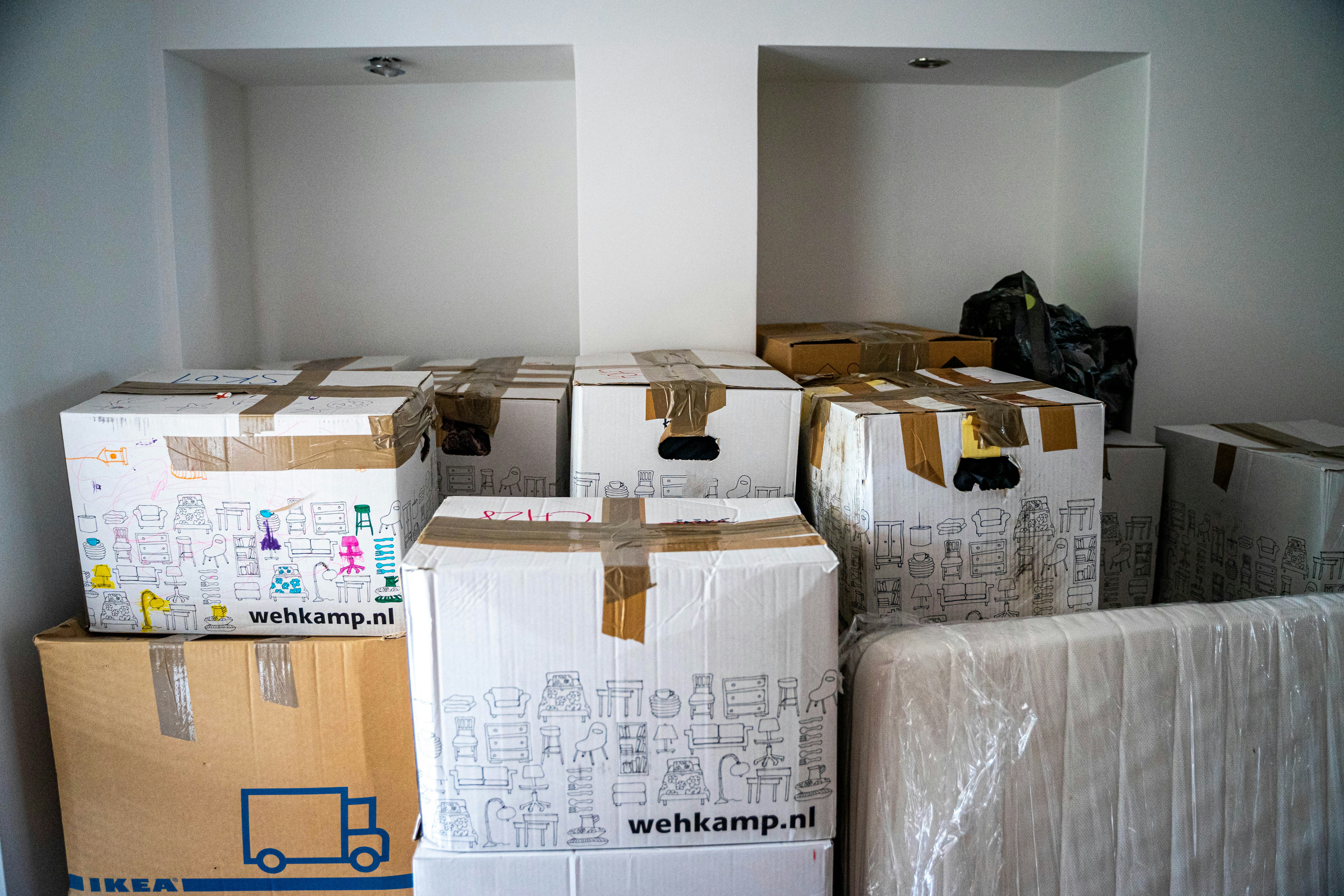
Efficient Packing and Moving for Every Home Size
Relocating to a new home can be exciting, but it is also one of the most challenging tasks for homeowners. Effective planning, organized packing, and a structured moving strategy can reduce stress, prevent damage, and save time and money.

Why Efficient Packing Matters
Packing is not just about putting items in boxes. It is about protecting belongings, saving space, reducing labor, and making the moving process smoother. Efficient packing reduces the risk of:
- Damaged or broken items
- Lost belongings
- Excessive labor and moving costs
- Stress and fatigue
Step 1: Detailed Moving Plan
Planning is the foundation of any successful move. Start with:
- Decluttering unnecessary items
- Estimating boxes, packing materials, and manpower
- Scheduling movers or rental trucks
- Creating a moving timeline and checklist
- Notifying utilities, schools, and service providers

Step 2: Decluttering and Organizing
Go room by room and categorize items into:
- Keep
- Donate or sell
- Discard or recycle
Decluttering reduces packing volume and ensures a more organized home after the move.
Step 3: Packing Materials
High-quality packing materials protect your belongings:
- Cardboard boxes (various sizes)
- Bubble wrap for fragile items
- Packing paper or kraft paper
- Moving blankets for furniture
- Packing tape and markers
- Plastic bins for valuables

Step 4: Room-Wise Packing Strategy
Kitchen
- Wrap glassware individually
- Use small boxes for heavy items
- Label boxes with “Fragile”
- Pack appliances carefully
Living Room
- Disassemble furniture if possible
- Wrap electronics and decor
- Use blankets for sofas
- Label all boxes by room
Bedrooms
- Pack clothes in suitcases or vacuum bags
- Secure mirrors and picture frames
- Keep bedding accessible
Bathrooms
- Seal toiletries and chemicals
- Use small boxes
- Label clearly for quick unpacking
Garage & Storage
- Organize tools and equipment
- Secure chemicals and paints
- Label boxes for easy access

Step 5: Handling Fragile and Valuable Items
- Wrap each item individually
- Double-box delicate items
- Fill gaps with packing peanuts
- Label as fragile and indicate top side
- Professional crating for antiques or electronics
Step 6: Moving Day Preparation
Moving day is the most critical part of the relocation process. Proper preparation ensures safety and efficiency. Key steps include:
- Confirm moving truck arrival and parking arrangements
- Keep hallways and entryways clear for smooth movement
- Prepare an essentials box for immediate access
- Ensure children and pets are safe and supervised
- Perform a final walkthrough of the old home

Step 7: Loading and Transportation
Proper loading and secure transportation prevent damage and loss:
- Load heavy items first to stabilize the truck
- Stack boxes according to weight and fragility
- Use moving blankets for furniture protection
- Secure items with straps to avoid shifting during transit
- Fragile items should be easily accessible

Step 8: Transportation Tips
Transporting belongings efficiently requires planning and caution:
- Drive carefully and avoid sudden braking
- Monitor weather conditions and adjust schedule if needed
- For long-distance moves, consider hiring professional drivers
- Track items and verify arrival at the new home
- Keep an inventory sheet for accountability

Step 9: Unloading at the New Home
Unloading efficiently saves time and prevents damage:
- Place boxes in the correct rooms according to labels
- Unload fragile items first to ensure careful handling
- Assemble furniture as needed
- Check items for damage and cross-reference with inventory
- Recycle or store packing materials properly

Step 10: Post-Move Organization
Once everything is unloaded, organizing your new home efficiently is essential:
- Start with essential rooms: kitchen, bedrooms, bathrooms
- Gradually unpack non-essential items
- Organize storage spaces for long-term convenience
- Label shelves, cabinets, and boxes to maintain order
- Involve family members to divide unpacking tasks
Step 11: Moving Timeline Recommendations
Planning a timeline reduces last-minute stress:
- 8 Weeks Before: Plan, declutter, order supplies
- 6 Weeks Before: Pack non-essential items
- 4 Weeks Before: Confirm moving date, notify utilities
- 2 Weeks Before: Pack most belongings, label boxes
- 1 Week Before: Pack essentials, confirm truck arrival
- Moving Day: Supervise loading, transport, and unloading
- Post-Move: Unpack essentials first, organize gradually

Step 12: Common Moving Day Mistakes to Avoid
- Packing at the last minute
- Ignoring fragile items protection
- Failing to label boxes clearly
- Overloading trucks
- Neglecting inventory checks
Step 13: Expert Moving Tips
- Label each box with room and content for easy unpacking
- Use soft items to pad fragile items instead of extra boxes
- Keep essentials and valuables in a separate, easily accessible box
- Measure furniture and doorways before moving large items
- Confirm insurance coverage for valuable items
Step 14: Cost-Saving Strategies for Your Move
Moving can be expensive, but careful planning and smart decisions can significantly reduce costs. Consider the following strategies:
- Declutter first: Sell or donate items you don’t need to reduce moving volume.
- DIY packing: Pack non-fragile items yourself to save labor costs.
- Compare quotes: Get multiple moving company estimates to ensure competitive pricing.
- Move off-peak: Weekdays or non-holiday periods are usually cheaper.
- Use free packing materials: Collect boxes from stores or reuse old boxes.
- Bundle services: Many companies offer discounts if you combine packing and moving services.
Step 15: Moving Timeline – Detailed Overview
Breaking down your moving timeline ensures nothing is forgotten:
- 8 Weeks Before: Research movers, declutter, gather packing materials.
- 6 Weeks Before: Begin packing non-essential items and create an inventory list.
- 4 Weeks Before: Notify utilities, change of address, finalize moving company bookings.
- 2 Weeks Before: Pack most belongings, confirm logistics, label boxes clearly.
- 1 Week Before: Pack essentials, prepare moving day kit, review moving plan.
- Moving Day: Supervise loading, transportation, and unloading at the new home.
- Post-Move: Unpack essentials, organize rooms, and settle in gradually.
Step 16: Unpacking Efficiently
Unpacking can be overwhelming, but organizing it systematically reduces stress:
- Start with essential rooms: kitchen, bedrooms, and bathrooms.
- Unpack and assemble furniture first for functional spaces.
- Keep boxes labeled by room to speed up organization.
- Gradually unpack non-essential items to maintain order.
- Dispose of packing materials responsibly or recycle them.
Step 17: Safety and Insurance Tips
- Ensure movers provide insurance or declare valuable items.
- Keep an inventory list for tracking belongings.
- Fragile items should be double-packed and clearly labeled.
- Backup important documents separately and transport yourself.
- Take photos of high-value items for insurance claims.
Step 18: Environmental Considerations
Eco-friendly moving practices not only help the environment but may save money:
- Use reusable or recycled boxes and packing materials.
- Donate unwanted items instead of discarding them.
- Rent moving blankets instead of using plastic wrap.
- Consider moving in fewer trips to reduce fuel consumption.
- Recycle cardboard and packing materials after the move.

Step 19: Final Tips for a Stress-Free Move
- Prepare an essentials kit with toiletries, snacks, and important documents.
- Keep children and pets safe and supervised on moving day.
- Stay hydrated and take breaks during heavy lifting.
- Communicate clearly with movers and helpers.
- Enjoy the process and focus on starting fresh in your new home.
Conclusion: Moving Made Simple
Relocating to a new home doesn’t have to be overwhelming. With proper planning, efficient packing, strategic transportation, and organized unpacking, you can complete your move smoothly. Using professional movers, smart cost-saving strategies, and eco-friendly practices ensures safety, efficiency, and a stress-free experience.
Remember, preparation is key. Start early, label everything, and follow a detailed timeline. Whether it’s a small apartment or a large family home, these tips ensure a successful and organized move.
At MyFastMovers, we aim to make every move seamless and hassle-free. By applying these expert strategies, your move can become an enjoyable transition rather than a stressful task.
Efficient Packing and Moving for Every Home Size
Moving to a new home can be exciting yet challenging. Proper planning, organized packing, and a structured moving strategy reduce stress, save time, and protect your belongings. From small apartments to large family homes, efficient moving is essential for a smooth transition.
Why Planning Matters
Packing without a plan often leads to lost items, broken belongings, and unnecessary stress. Planning helps you:
- Organize belongings by category and room
- Estimate boxes and packing materials
- Schedule movers or rental trucks efficiently
- Save money by reducing extra trips
- Ensure a smooth, systematic move
Decluttering Before Packing
Decluttering is the first step before packing. Go room by room and decide:
- Items to keep
- Items to donate or sell
- Items to recycle or discard
This reduces packing volume, saves space, and ensures you only move what’s necessary.
Choosing Packing Materials
Using high-quality packing materials protects your belongings:
- Cardboard boxes of various sizes
- Bubble wrap for fragile items
- Packing paper or kraft paper
- Moving blankets for furniture
- Strong packing tape and markers
- Plastic bins for valuables
Room-Wise Packing Strategy
Kitchen
- Wrap glassware individually
- Pack heavy appliances in small boxes
- Label boxes as “Fragile”
- Use padding to prevent breakage
Living Room
- Disassemble large furniture
- Wrap electronics and decor
- Cover sofas and chairs with blankets
- Label boxes by room for easy unpacking
Bedrooms
- Pack clothes in suitcases or vacuum bags
- Secure mirrors and frames
- Keep bedding accessible
Bathrooms
- Seal toiletries and chemicals
- Use small, labeled boxes
Garage & Storage
- Organize tools and equipment
- Pack chemicals safely
- Label everything for quick access
Handling Fragile and Valuable Items
Protecting fragile items is crucial:
- Wrap each item individually
- Double-box delicate items
- Fill gaps with packing peanuts or towels
- Label boxes clearly as “Fragile”
- Use professional crating for high-value items
Moving Day Preparation
Prepare early to ensure safety and efficiency:
- Confirm truck arrival and parking
- Keep pathways clear
- Prepare an essentials box
- Supervise children and pets
- Do a final walkthrough of your old home
Loading and Transportation Tips
- Load heavy items first for stability
- Stack boxes based on weight and fragility
- Use movi